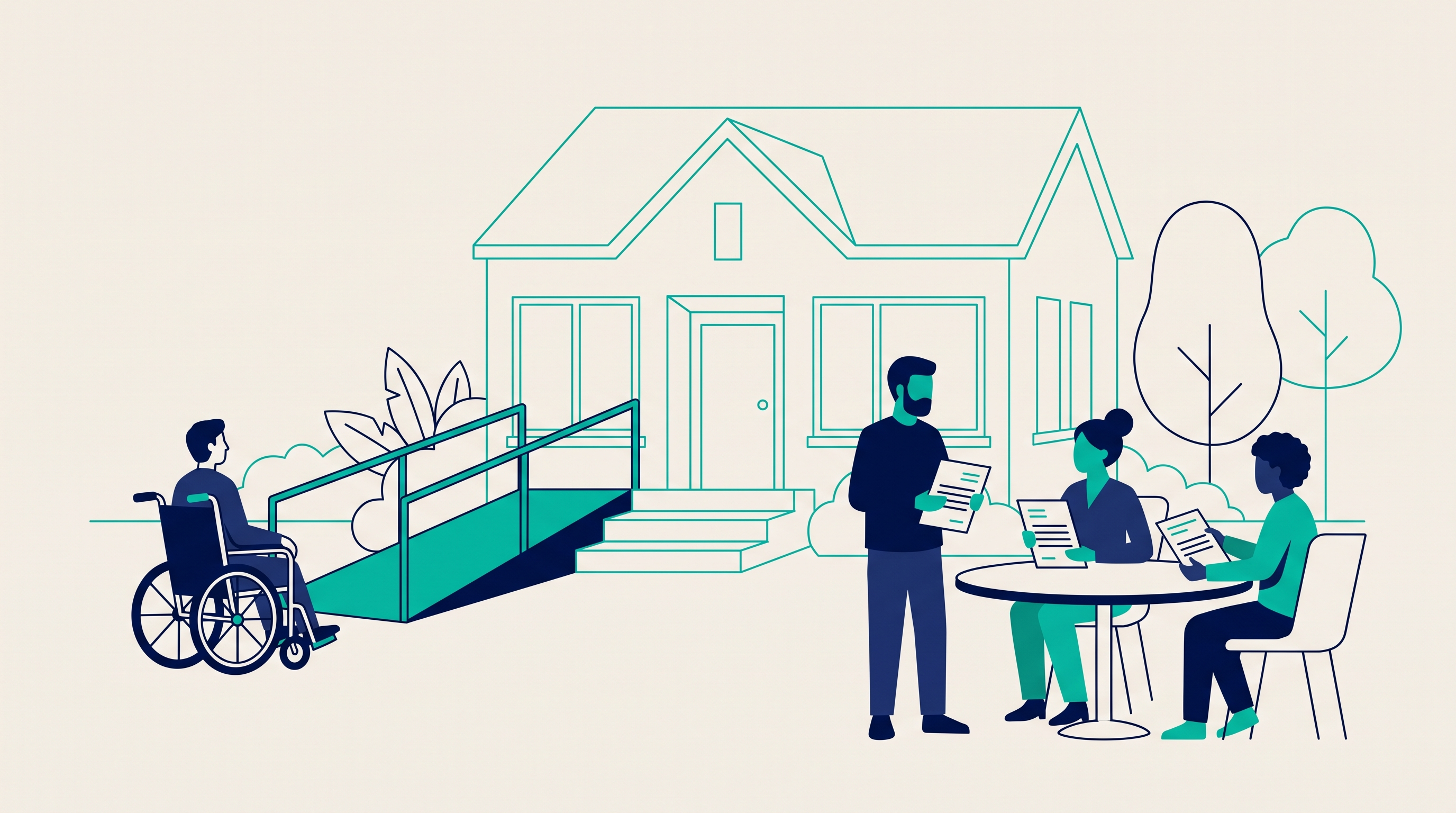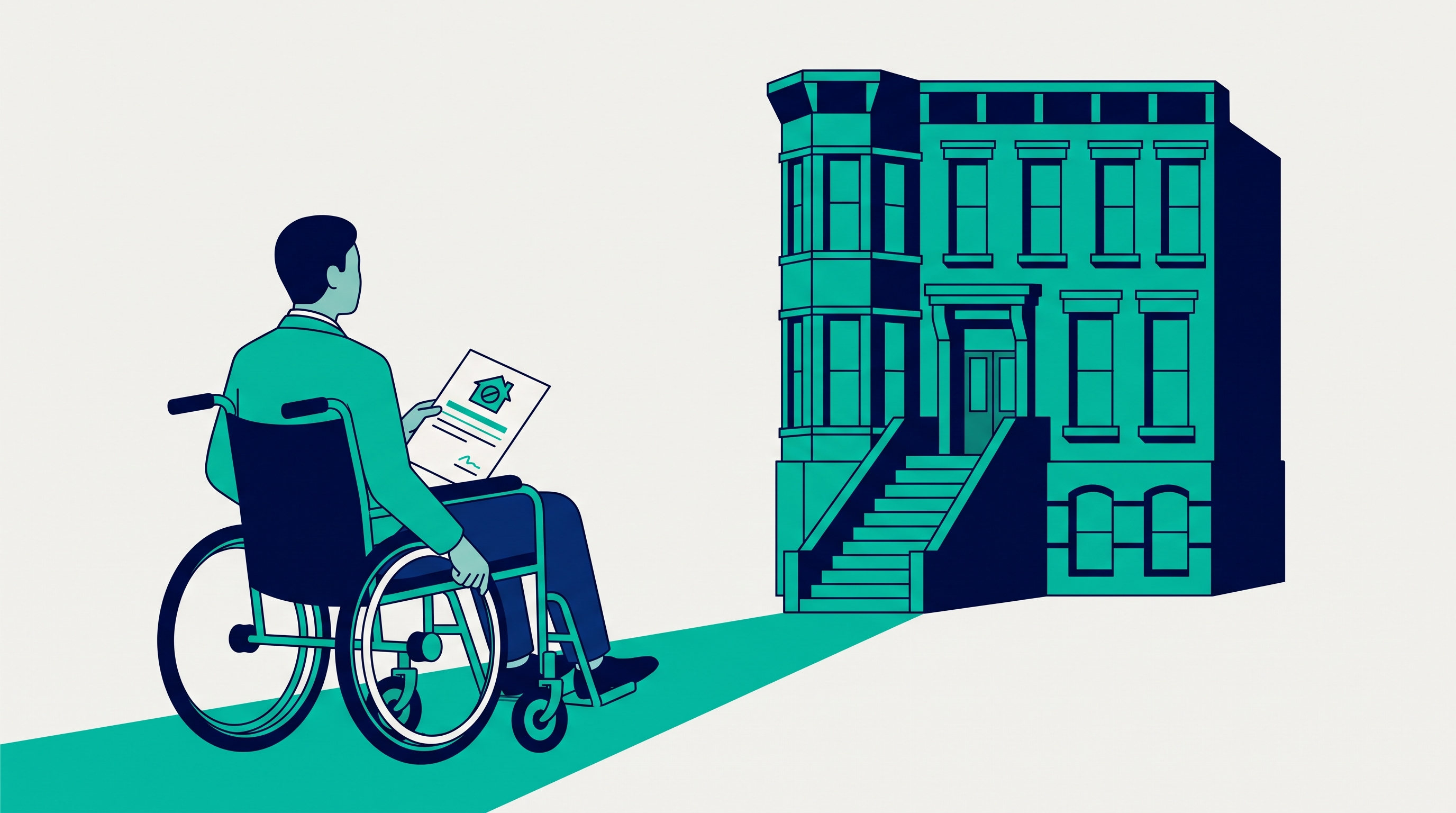
Mental Illness Discrimination Housing NY: Rights & Recovery
Reviewed for accuracy by the ADAhelp team before publishing. ADAhelp is not a law firm; legal work is handled by independent New York attorneys.

Facing mental illness discrimination housing NY? Learn your rights under city and state law and see how you can get compensation. Start a free case check today.
What if your landlord's refusal to accommodate your mental health needs is actually a path to significant financial recovery? If you were denied an apartment or threatened with eviction because of a diagnosis; you likely have a valid claim under New York laws. Identifying mental illness discrimination housing NY is the first step toward stopping the abuse and securing a safe place to live. You likely feel the fear of homelessness or the stress of complex city and state codes; we are here to simplify the process for you.
This article explains how to spot illegal treatment and how to determine what your case is worth. We promise to show you how to seek the recovery you deserve and help you start a free three-minute case check today. ADA Help - NY disability discrimination claims is not a law firm; we provide intake and case management to connect you with independent contingency-fee attorneys. You will learn about the New York State and City Human Rights Laws that protect your right to a home without any out-of-pocket costs. We will preview how to hold property managers accountable and secure the compensation you need to move forward.
Key Takeaways
- Learn how to identify mental illness discrimination housing NY by spotting red flags; such as intrusive questions about your medications or therapy.
- Understand why New York State and City laws provide broader financial recovery for emotional distress than federal laws alone.
- Discover how to request reasonable accommodations to change building policies that interfere with your mental health needs.
- See how documenting your landlord's actions helps you build a strong case for compensation without any out-of-pocket costs.
- Find out how a free case check connects you with professionals who manage your claim while you focus on your well-being.
Can a Landlord Discriminate Against You for a Mental Illness in New York?
No landlord in New York has the right to deny you a home or treat you poorly because of your mental health. Your diagnosis makes you a member of a protected class. Mental illness is a protected disability under the federal Americans with Disabilities Act (ADA). You don't have to handle this alone. ADA Help - NY disability discrimination claims provides case management services to help you determine if you have a claim. We connect you with independent contingency-fee attorneys so you can seek justice without financial risk.
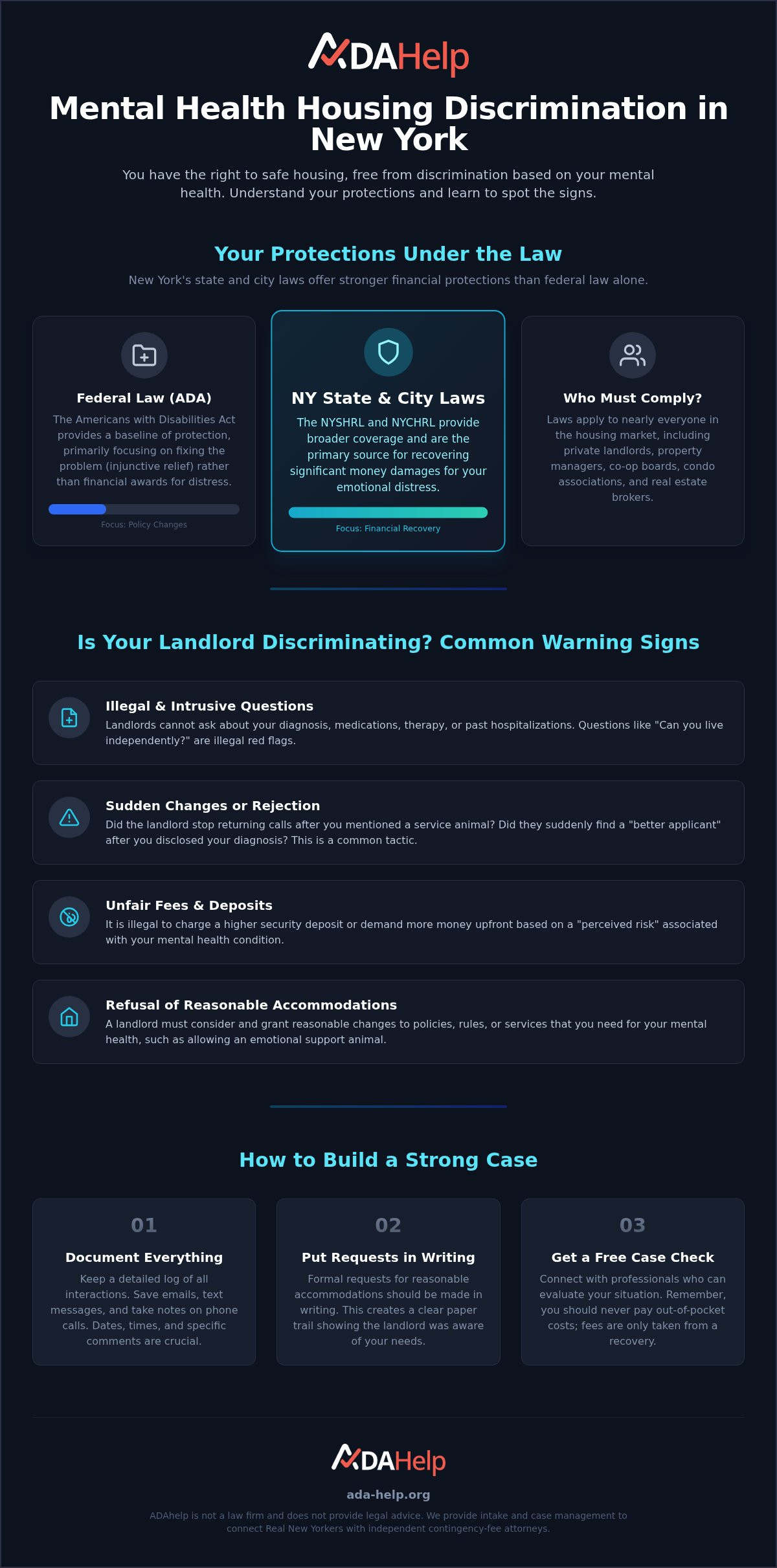
New Yorkers benefit from even stronger protections than those found in federal statutes. The New York State Human Rights Law (NYSHRL) and the New York City Human Rights Law (NYCHRL) offer broader coverage. These local laws ensure you have a path to financial recovery if you face mental illness discrimination housing NY. While federal laws often focus on fixing the physical or policy problem; significant money damages for your emotional distress typically come from the broader NYSHRL and NYCHRL. If a property manager rejects your application or ignores your maintenance requests because of your mental health; they are likely violating the Fair Housing Act and local city codes.
To better understand how these cases are monitored in our state; watch this helpful video:
Protected Mental Health Conditions in NY
You don't need a specific label to be protected. Any mental health condition that limits a major life activity qualifies you for protection in New York. This includes common conditions like depression and anxiety disorders. It also covers post-traumatic stress disorder (PTSD) and bipolar disorder. If your condition affects how you sleep; eat; work; or interact with others; you are protected. Landlords cannot demand to see your full medical records or ask for a list of your medications before renting to you.
Who Must Follow These Laws?
These rules apply to almost everyone in the New York housing market. Private landlords and large property management companies must comply with every detail of the NYSHRL. Co-op boards and condominium associations cannot use your mental health as a reason to block your purchase or sublease. Even real estate brokers and other tenants can be held liable if they create a hostile environment or block your access to housing. If any of these parties treat you unfairly; you have the right to hold them accountable. If a co-op or condo board is the one discriminating against you, see our guide to filing an HOA disability discrimination complaint.
Recognizing Common Signs of Housing Discrimination in New York
Identifying mental illness discrimination housing NY requires looking at how a landlord's behavior changes during your interactions. Did they stop returning your calls after you mentioned a service animal? Did they suddenly find a "better qualified" applicant right after you disclosed your diagnosis? These shifts are rarely accidental. New York City and State laws forbid landlords from treating you differently based on a history of mental health treatment or a current diagnosis.
Some signs are subtle; while others are blatant. You might face a sudden eviction notice shortly after a hospital stay or a disclosure to a building manager. Some landlords even try to charge a higher security deposit. They might claim this covers the "perceived risk" of your illness; but this is a direct violation of the law. Under the NYCHRL; landlords cannot use your disability as a reason to demand more money upfront or change the terms of your lease.
Discriminatory Inquiries and Applications
Application forms in New York must follow strict guidelines. It is illegal for a landlord or co-op board to ask if you can "live independently." They also cannot demand to see your medical records or speak to your doctor. Any question about past hospitalizations or your specific medications is a major red flag. If you encounter these questions; you should document them immediately. You can learn more about How to File A Complaint through official city channels; but having a professional guide can help you organize your evidence first.
Hostile Housing Environments
Discrimination isn't just about the application. It also covers your daily life in the building. Harassment from building staff based on your mental health is a violation of your rights. This includes mocking your condition or making intrusive comments about your therapy schedule. If staff members treat you with hostility because of your diagnosis; the property owner may be liable for the resulting emotional distress.
You might also notice unequal enforcement of building rules. If a landlord ignores a neighbor's loud music but threatens you with eviction for a minor noise complaint; they may be targeting you. Landlords are also liable if they fail to address neighbor harassment that is based on your disability. If you feel targeted or unwelcome in your own home; we can help you understand if you have a claim with a free three-minute case check.
Requesting Reasonable Accommodations for Mental Health Disabilities
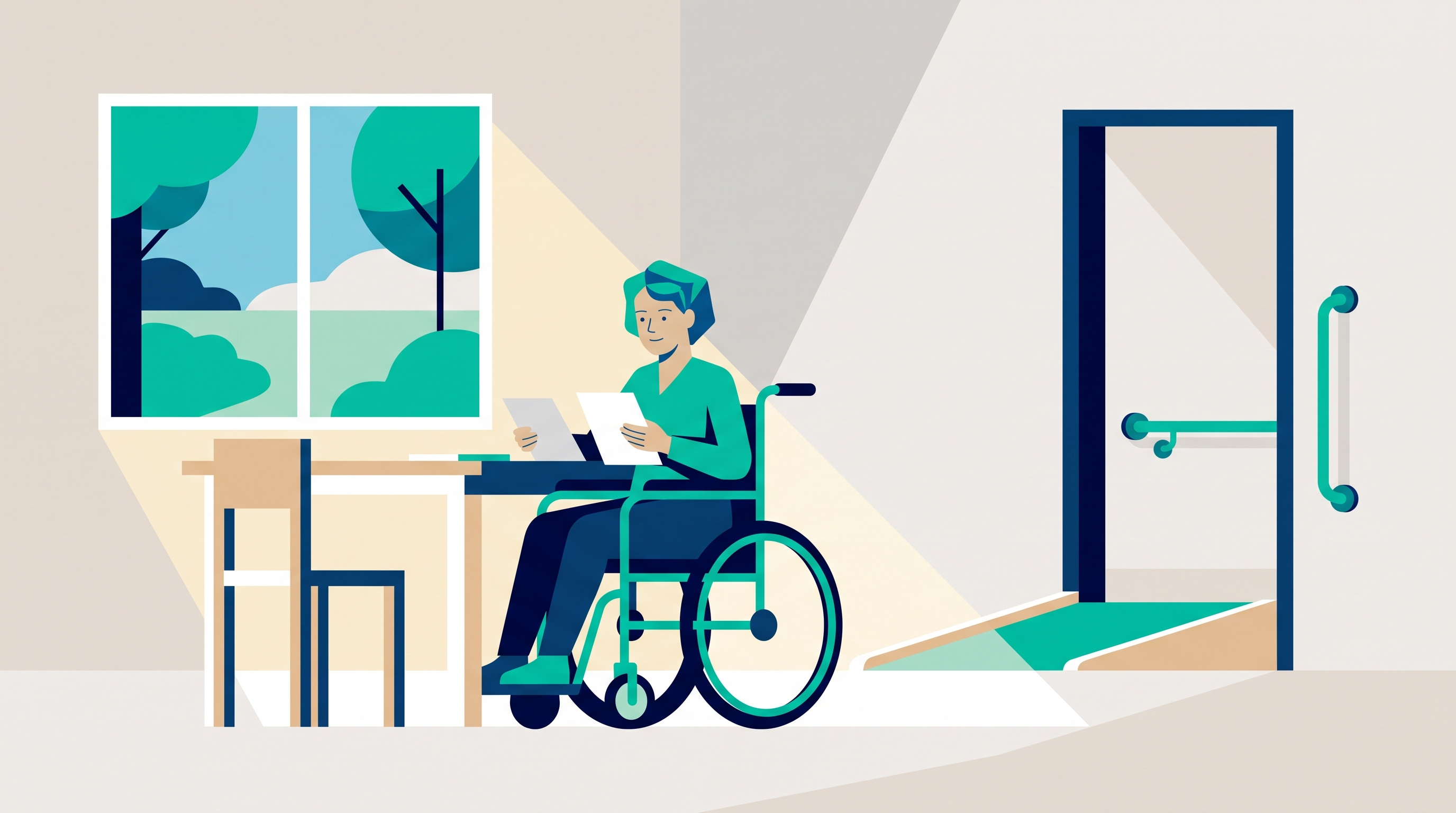
A reasonable accommodation is a change in building rules; policies; or services that allows you to live comfortably in your home. You have the legal right to ask for these changes if your mental health condition makes it difficult to follow standard procedures. Under federal fair housing laws; property owners must engage in a dialogue with you to find a solution. If a landlord refuses to make a simple change that costs them very little; they are likely engaging in mental illness discrimination housing NY.
You must initiate the request yourself. While the law does not require you to put your request in writing; we strongly recommend doing so to create a paper trail. The landlord is responsible for any costs associated with the accommodation unless they can prove it causes an "undue hardship." This legal term means the change would be too expensive or difficult for the business to handle. In most New York apartment settings; simple policy changes rarely meet this high bar for refusal. If you aren't sure how to phrase your request; ADA Help - NY disability discrimination claims can help you determine if you have a claim through our free three-minute case check. If your landlord has already refused, see our guide on what to do when a landlord refuses a reasonable modification.
Emotional Support Animals (ESAs)
Many New Yorkers rely on animals for emotional stability. Landlords must allow ESAs even in buildings with strict "no pet" policies. You do not have to pay a pet deposit or any monthly pet fees for an ESA. A simple letter from your doctor or therapist that explains your need for the animal is usually all you need. Landlords cannot ask for "certification" or "registration" papers; as these documents have no legal standing under New York law. Denying an ESA is one of the most common forms of discrimination we see.
Policy Changes and Procedural Accommodations
Accommodations often involve changing how the building operates. You might need to request a different rent payment date to align with when your disability benefits arrive. If your condition affects your memory; you can ask for written reminders about upcoming building inspections or maintenance. You also have the right to modify lease terms to allow a live-in aide or a family member to stay with you for support. Denying these requests without a valid reason is illegal. We connect you with attorneys who can help you seek compensation if your rights are ignored.
What Is Your New York Housing Discrimination Claim Worth?
How much is your claim worth? The answer depends on which laws apply to your situation. The federal ADA is a powerful tool for stopping bad behavior; but it rarely provides money for your personal pain. New York laws are different. The NYSHRL and NYCHRL focus on your actual losses and suffering. If you've faced mental illness discrimination housing NY; you may be entitled to significant financial recovery. This is because New York has some of the strongest civil rights protections in the country.
The New York State Division of Human Rights can assess civil fines up to $50,000 for a violation. This amount can jump to $100,000 if the landlord's actions were willful or malicious. In New York City; the stakes are even higher. An August 2026 press release from the NYC Commission on Human Rights showed landlords were ordered to pay over $682,000 in combined damages for various housing discrimination cases. While every case is unique; these figures show that the city takes your rights seriously. We help you determine if you have a claim and connect you with attorneys who work on a contingency basis; meaning they only get paid if you win.
Types of Financial Recovery Available
Financial recovery in housing cases usually falls into three categories. Damages for emotional distress and mental anguish are the most common awards. These compensate you for the anxiety and humiliation caused by the landlord's actions. Recent settlement highlights from 2022 and 2023 show typical emotional distress awards in NYC housing cases ranging from $5,000 to $35,000. You can also recover out-of-pocket costs; such as moving expenses or the difference in rent if you were forced to find a more expensive apartment. In severe cases where a landlord acts with malice; a court may award punitive damages to punish the property owner.
Typical Recovery Ranges in New York
Your recovery amount depends on the severity of the landlord's actions and the evidence you provide. Small claims for minor incidents might reach several thousand dollars. Severe cases involving illegal evictions or long-term harassment often result in much higher payouts. You can Learn more about disability discrimination rights in New York to see how these laws apply to your specific situation. Every case varies; but the goal is always to restore what you lost and hold the landlord accountable. You don't have to guess what your claim is worth. Start your free three-minute case check now to see if you qualify for a recovery.
How to File a Housing Discrimination Claim in New York
Starting your claim for mental illness discrimination housing NY begins with the evidence you already have in your possession. You must document every interaction you have with your landlord; property manager; or co-op board. Write down the dates; times; and names of everyone involved in these conversations. These records serve as the foundation for your case and help prove that you were treated differently because of your mental health diagnosis.
Save every piece of communication regarding your housing. This includes emails; letters; and even casual text messages. If a building manager makes an intrusive comment about your medications or therapy; take a screenshot or write it down immediately. These small details often make the difference when seeking financial recovery for emotional distress. You don't have to organize this alone. ADAhelp provides the tools you need to determine if you have a case through our free three-minute case check.
Where to File: Agencies & Deadlines
Several agencies handle mental illness discrimination housing NY complaints, and each has its own deadline. Filing with the right agency, on time, protects your right to compensation.
- NYC Commission on Human Rights (CCHR): Covers discrimination in New York City housing. You generally have one year from the incident to file. File with NYC CCHR.
- New York State Division of Human Rights (DHR): Covers discrimination statewide. You have three years to file for acts occurring on or after February 15, 2024. File with NY DHR.
- U.S. Department of Justice (DOJ): Enforces the ADA against government entities and public accommodations, and can pursue Fair Housing Act cases involving disability. File a complaint with the DOJ.
- U.S. Equal Employment Opportunity Commission (EEOC): If your housing discrimination is tied to a related workplace issue involving the same disability, the EEOC handles the employment side of a claim, typically within 180-300 days of the incident.
The ADAhelp Case Management Process
We act as your proactive partner to handle the heavy lifting of your claim. Our team reviews your specific situation at no cost to you. We focus on the interplay between the federal ADA and the more expansive New York State and City Human Rights Laws. If our review shows that you have a valid claim; we connect you with independent contingency-fee attorneys. This means you pay nothing out-of-pocket for legal representation. Fees are only taken from a successful recovery; ensuring the financial risk stays with the service providers rather than you.
Our case management services streamline the information gathering process. We help you prepare the necessary documentation so that your claim is ready for the appropriate New York authorities. By handling the logistics; we allow you to focus on your well-being while we move your case toward a resolution.
Next Steps for Real New Yorkers
Do not wait to take action. New York has strict deadlines that could bar you from receiving compensation if you delay. For discriminatory acts occurring on or after February 15; 2024; you have three years to file a complaint with the New York State Division of Human Rights. However; if you are filing with the NYC Commission on Human Rights; you generally only have one year from the date of the incident. These windows close quickly; and gathering evidence becomes harder as time passes.
Take the first step toward justice today. You have the right to a safe home and the right to hold discriminatory landlords accountable for the stress they have caused. You can Start your housing disability discrimination claim today by completing our simple online check. Our goal is to turn your frustration into a clear path toward the recovery you deserve. For a full walkthrough of the complaint process, see our guide to filing an NYC housing discrimination complaint.
Secure Your Home and Your Rights Today
You deserve a home where your mental health is respected; not used as a reason to deny your application or threaten your lease. This guide covered how to identify mental illness discrimination housing NY and the specific local laws that protect you. Whether you are fighting for an emotional support animal or requesting a change in rent payment dates; the New York State and City Human Rights Laws are built to support you. These laws go beyond federal protections to ensure you can seek financial compensation for the emotional distress you have suffered.
ADAhelp acts as your proactive partner to simplify the path to justice. We are not a law firm; but we provide the New York-specific expertise needed to manage your claim and connect you with independent attorneys. Our process is low-risk and results-oriented. We offer a free case evaluation; and our contingency model ensures there is no recovery; no fee. You don't have to carry this burden by yourself. Start your free three-minute case check now to see if you have a claim. Take the first step toward a safe; stable future today.
Frequently Asked Questions
Can a landlord evict me if I have a mental health crisis?
No. A crisis is not a legal reason for eviction under New York law. If your landlord targets you because of a medical emergency; they are likely violating your rights. You may request a reasonable accommodation to stop the eviction process while you receive treatment. This allows you to stay in your home and maintain stability during your recovery.
What if my landlord says my emotional support animal is just a pet?
Your landlord is incorrect. Emotional support animals are not pets under the law. You only need a letter from your doctor or therapist stating your need for the animal. Landlords cannot demand "certification" or "registration" documents because these papers have no legal standing in New York. If they still refuse; it counts as mental illness discrimination housing NY.
How much does it cost to start a case with ADA Help - NY disability discrimination claims?
It costs you nothing out-of-pocket to start your case check. We review your situation at no charge and connect you with independent contingency-fee attorneys. You only pay a fee if you receive a financial recovery. If your case does not result in a payout; you owe nothing. This ensures that every New Yorker can seek justice regardless of their financial situation.
Can I be denied an apartment because I am on disability benefits?
No. Landlords cannot reject your application simply because your income comes from disability benefits. This is known as source of income discrimination. It is illegal for a property manager to favor a traditional paycheck over government support. They must treat your benefits as a valid and legal way to pay rent just like any other income.
How long do I have to report housing discrimination in New York City?
You have one year to file a complaint with the NYC Commission on Human Rights. If you file with the New York State Division of Human Rights; you have three years for incidents occurring after February 15; 2024. Waiting too long can cause you to lose your right to a recovery. Start your free case check today to ensure you meet these strict deadlines.

Article by
ADA Help
Written by the ADAhelp editorial team and reviewed for accuracy before publishing. ADAhelp helps New Yorkers find out if they have a disability discrimination claim and manages the process end to end, working with independent attorneys who handle the legal work. We are not a law firm and do not provide legal advice.
Disclaimer
This article is general information about New York law, not legal advice, and reading it does not create an attorney-client relationship. ADAhelp is a case-management and intake service, not a law firm; legal representation is provided by independent attorneys. Recovery amounts and timelines vary by case, and past outcomes do not guarantee future results. For advice about your specific situation, speak with a qualified attorney or start the free case check.
Tags
Discriminated against in New York because of a disability?
A free three-minute check tells you if you can pursue a claim.
Check my case →New York onlyNo upfront costIndependent NY attorneysFree 3-minute check