Landlord Refusing Reasonable Modification NYC: Tenant Rights
Reviewed for accuracy by the ADAhelp team before publishing. ADAhelp is not a law firm; legal work is handled by independent New York attorneys.
Is your landlord refusing reasonable modification NYC? Learn your rights under city law to get the changes you need plus money damages. Free case check.
If your landlord said no to a ramp or grab bars, you likely have a strong discrimination case under New York City law. Typical recoveries for these claims vary by case but often include the full cost of the physical modification plus money damages for emotional distress. Dealing with a landlord refusing reasonable modification NYC is a violation of your civil rights that entitles you to both a safer home and financial compensation. You deserve to live in an apartment that is safe and accessible. We will show you how to handle a denial and start a claim for recovery in the five boroughs.
ADA Help - NY disability discrimination claims is your proactive partner for handling the intake and paperwork. We are not a law firm. We evaluate your situation for free and connect you with independent contingency-fee attorneys who handle the legal work. You never pay any fees out-of-pocket for our case management services. We focus on the New York City Human Rights Law to ensure property owners fulfill their duty to provide reasonable modifications at their own expense. Our intake process is fast, simple, and designed to move your case toward a resolution without delay.
Key Takeaways
- Stop all verbal negotiations if you are dealing with a landlord refusing reasonable modification NYC. Move your requests to email or certified mail to create a clear paper trail.
- Learn why New York City law requires landlords to engage in an interactive process rather than giving a flat denial based on apartment aesthetics.
- Understand how to build a strong case by documenting physical barriers with photos and securing a medical necessity letter from your provider.
- Find out how to seek money damages for emotional distress under NYC law without any upfront legal costs.
- Identify the specific steps to take when a landlord ignores your request or refuses to provide a written explanation for their denial.
What should you do when a landlord denies your modification request?
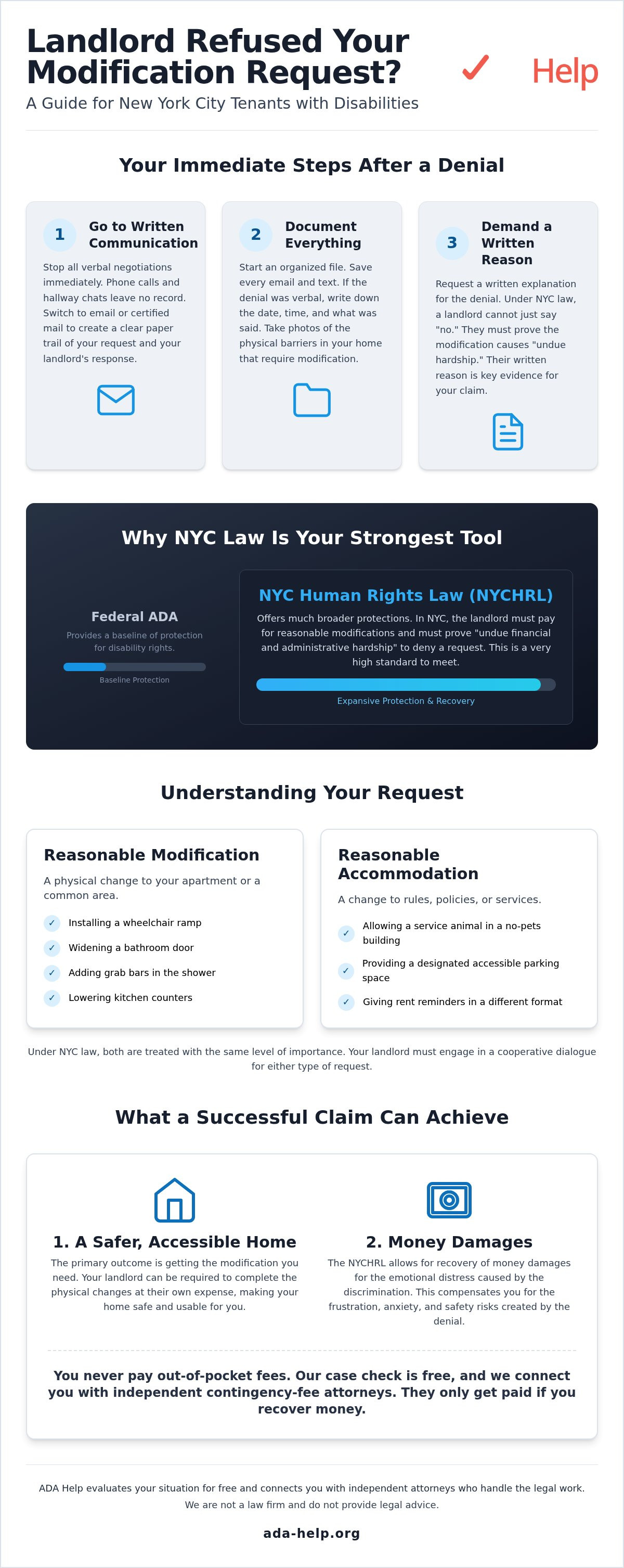
Your landlord just said no to the ramp or bathroom grab bars you need. It is a stressful moment, but your next steps are critical. First, stop all verbal negotiations immediately. Phone calls and hallway conversations leave no paper trail. If you are facing a landlord refusing reasonable modification NYC, you must move all communication to email or certified mail. This ensures every word is documented. You need a clear record of your request and their refusal to protect your rights under the New York City Human Rights Law.
Review your original request before sending your next message. Did you clearly explain how the physical change relates to your disability? Understanding reasonable accommodations and modifications is essential; you must show that the change is necessary for you to use and enjoy your home. If your initial request was vague, send a follow-up that explicitly links the modification to your mobility or safety needs. This creates a foundation for a future claim.
To better understand this concept, watch this helpful video:
The immediate steps after a refusal
Start an organized file right away. Save every text message and email from your landlord or property manager. If you received a verbal denial, write down the date, time, and exactly what was said while the memory is fresh. Be careful with what you sign during this period. Avoid signing any new lease addendums, agreements, or waivers regarding your housing rights without professional guidance. Landlords sometimes try to limit their liability by getting tenants to agree to "as-is" conditions after a request is made.
Why you need a written denial
Demand a written explanation for the denial within a specific timeframe, such as five business days. A written refusal is the primary evidence for a discrimination claim in New York City. Landlords often change their story when they realize a formal inquiry is coming. By forcing them to put their reasons on paper, you can see if they are claiming "undue hardship." Under NYC law, a landlord cannot just say no; they must prove that the modification would cause significant difficulty or expense. If they refuse to provide a written reason, that silence itself can be used as evidence of a failure to engage in the required interactive process. You can start a free case check at ada-help.org to see if this refusal violates local laws. We are not a law firm, but we help you determine if your landlord's actions entitle you to recovery through the NYCHRL or NYSHRL.
What counts as a reasonable modification in NYC?
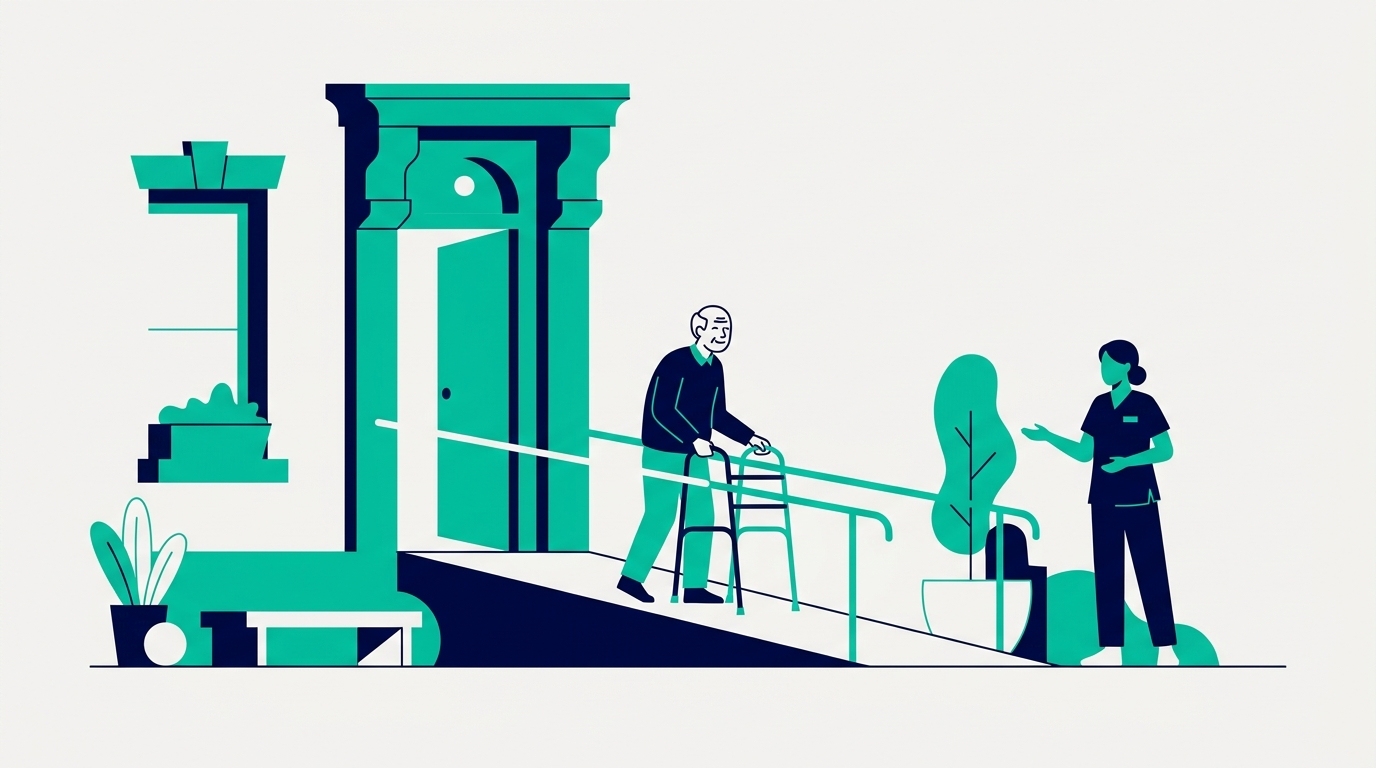
A reasonable modification is any physical change to your apartment or the building's common areas that allows you to live safely and independently. This includes structural work like installing a wheelchair ramp, widening a bathroom door, or lowering kitchen counters. If you are facing a landlord refusing reasonable modification NYC, it is vital to know that local protections go far beyond federal standards. While the ADA provides a baseline, the New York City Human Rights Law (NYCHRL) gives you a much stronger path to recovery and a safer home.
Do you have a case? In the five boroughs, the law assumes that you have the right to a safe home. If you have a disability and need a physical change to use your apartment like any other tenant, your landlord must generally approve the work. They cannot deny your request based on how a ramp looks or because they want to avoid construction. If they have already said no, you may be entitled to money damages for the distress and safety risks they created.
How do modifications differ from accommodations in New York?
It is helpful to know the difference between these two terms. An accommodation is a change to a building's rules or policies. For example, letting a tenant keep a service animal in a building that normally bans pets is an accommodation. A modification is a physical change to the premises. Under the NYS Division of Human Rights guidelines and the NYCHRL, these changes are treated with the same level of importance. In many cases, the landlord is legally required to handle both the planning and the cost of these changes.
Who pays for structural changes in New York City?
This is the most common point of confusion for New York renters. Federal law usually requires the tenant to pay for physical modifications. However, NYC law shifts this financial burden to the housing provider. If your building has three or more units, the landlord is generally required to pay for the reasonable modification themselves. This includes changes inside your individual apartment and improvements to shared spaces like the lobby, laundry room, or mail area.
Landlords can only deny a request if they can prove an "undue hardship." This is a specific legal term that means the change would be excessively expensive or structurally impossible for that particular owner. Because many NYC landlords own multiple properties or large buildings, proving hardship is a very high bar. If your landlord is trying to force you to pay for a ramp or grab bars, they may be violating your civil rights. You can start a free case check with ADA Help - NY disability discrimination claims to see if you have a claim for damages. We handle the intake and case management to ensure your documentation is strong before connecting you with independent contingency-fee attorneys. You never pay any out-of-pocket fees for our intake services.
When is a landlord refusal actually illegal?
A landlord refusing reasonable modification NYC often relies on the hope that you don't know the specific local rules. In New York City, a refusal is illegal the moment a landlord shuts down the conversation without exploring every possible option. The law doesn't just require them to say yes or no; it requires them to participate in a meaningful dialogue. If your request was necessary for your safety and independence, a flat rejection without a counter-proposal is a direct violation of the New York City Human Rights Law (NYCHRL).
The interactive process requirement
The duty to engage in an "interactive process" is one of your strongest protections. This means your landlord must work with you in good faith to find a solution. They cannot simply state that your request is too difficult. If the specific modification you asked for is truly impossible, they must suggest an alternative that still meets your needs. A refusal is illegal if the landlord walks away from the table or stops responding to your emails before this process is finished. You don't need to use legal terminology to start this; your initial request for a physical change is enough to trigger their legal obligation.
Common illegal excuses landlords use
Landlords frequently use excuses that have no legal standing in New York City. You might hear that the building is too old for a ramp or that other tenants will complain about the appearance of a lift. Under the NYCHRL, aesthetic preferences or the opinions of your neighbors are never valid reasons to deny a life-saving modification. If a landlord claims structural issues, they must provide actual proof from an engineer or architect. They cannot just give you a verbal excuse based on the age of the property.
Another common illegal tactic involves your privacy. Landlords are prohibited from demanding your full medical history or asking to interview your doctor. They only have the right to confirm that you have a disability and that the modification is necessary. If they push for more details, they are likely violating privacy standards. ADA Help - NY disability discrimination claims can help you evaluate these excuses through our free intake process. We analyze the landlord's response to see if they have failed to meet the high bar of proving an "undue hardship." If your landlord has crossed these lines, you may be entitled to significant money damages for the distress and hardship their refusal has caused.
How do I document a refusal for my NYC discrimination claim?
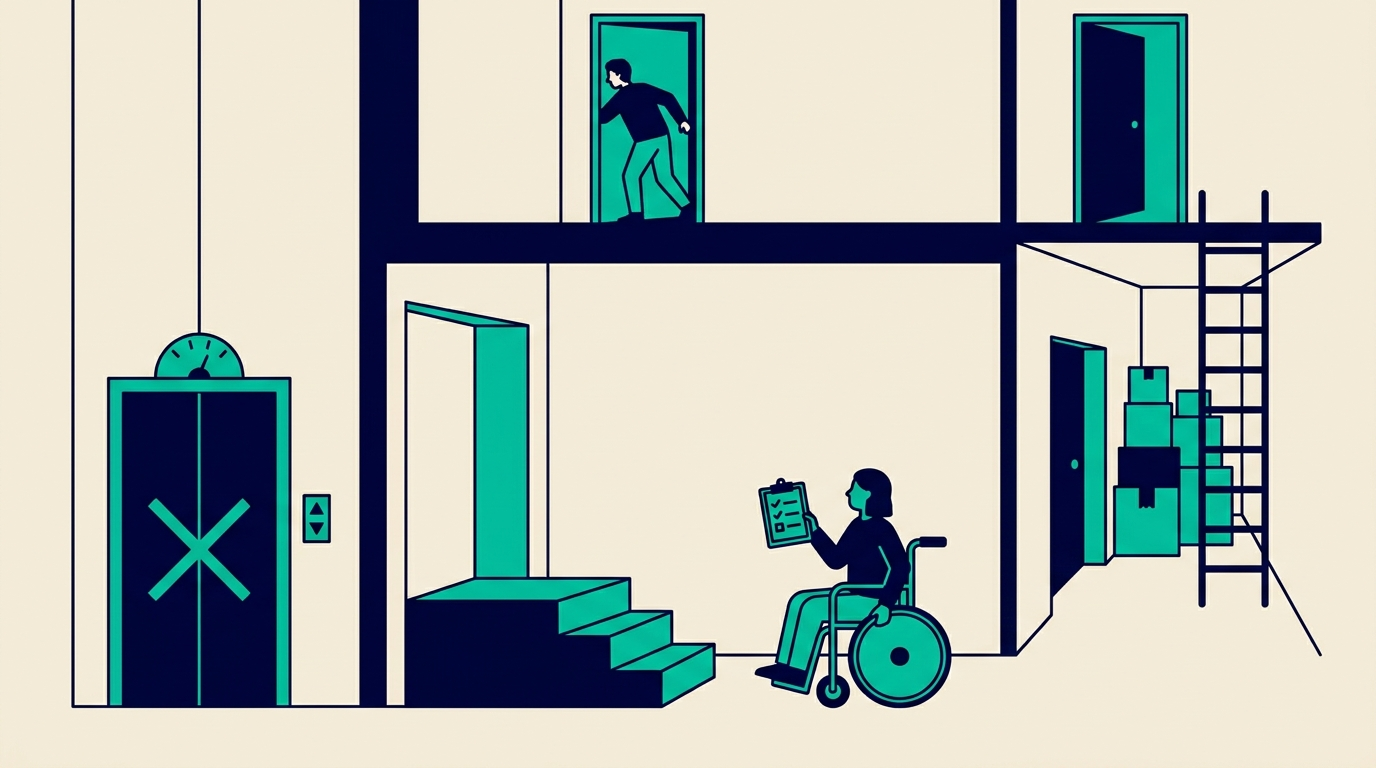
You need a solid file to prove that your rights were ignored. Start by taking clear photos of the physical barriers that make your daily life difficult. If a narrow doorway prevents you from using your wheelchair in the kitchen, photograph the measurement. If the lack of a lobby ramp forces you to use a dangerous side entrance, capture that entrance on camera. These images provide visual proof of the inaccessible conditions your landlord refused to change. This documentation is essential when facing a landlord refusing reasonable modification NYC.
Keep a specific log of every time the lack of modification impacts your safety or health. Record the date of any falls, near-misses, or physical pain caused by the barrier. This log provides the evidence needed to show how the discrimination affected your quality of life. When your attorney calculates typical damages for emotional distress, these entries show the real-world impact of the refusal. It turns your frustration into a factual record for your recovery.
What medical support do I need for my request?
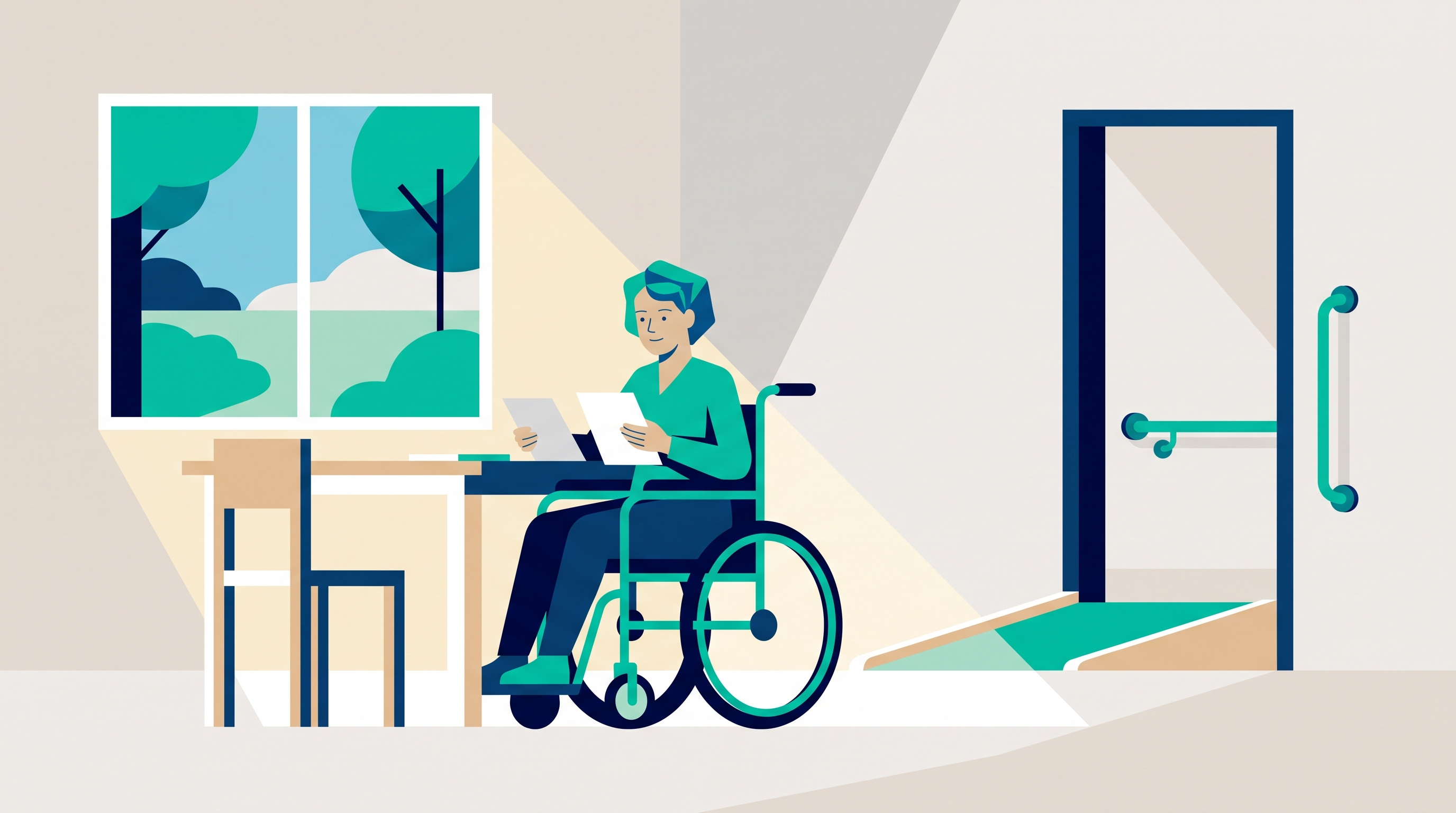
You must have a letter from a healthcare professional to confirm your need for the change. This can be from a doctor, therapist, or nurse practitioner. The letter should state that you have a disability as defined by NYC law and explain why the specific modification is necessary for your housing. It does not need to list your diagnosis or symptoms. This letter is a vital piece of evidence that connects your medical needs to the structural barriers in your apartment. It proves that the modification is a necessity rather than a preference.
How do I create a timeline for my case?
A clear timeline shows that you acted in good faith while the landlord did not. Start your record with the date of your first request and the name of the person you spoke with. This organized record makes it difficult for a landlord to change their story later. If you have gathered this evidence, you are ready to hold them accountable.
- Note the date and content of every follow-up message you sent.
- Record how long it took for the landlord to respond to each inquiry.
- Write down the exact words used in any verbal denials or hostile comments.
- Save all contractor estimates or architectural sketches you provided to the management.
Ready to see if your documentation supports a claim for recovery? Start your free three-minute case check with ADA Help - NY disability discrimination claims to see if your evidence is enough to move forward. We handle the intake process and build your file so you don't have to manage the paperwork alone. We connect you with independent contingency-fee attorneys who only get paid if you win. You never pay any out-of-pocket fees for our intake and case management services.
Filing a housing discrimination claim in New York
You have clear legal paths if you are dealing with a landlord refusing reasonable modification NYC. You don't have to accept an unsafe living situation. In New York City, you can file a formal complaint with the NYC Commission on Human Rights or the New York State Division of Human Rights. You also have the option to take your case directly to court. It is vital to act quickly because strict deadlines apply. For example, you typically have one year to file with the NYC Commission, while you have three years for the State Division. Filing with one agency often prevents you from filing the same claim with another, so choosing the right path is essential.
Where to File: Agencies & Deadlines
Depending on your situation, you generally have four possible venues for a housing modification complaint:
- NYC Commission on Human Rights (CCHR): Handles NYCHRL housing claims within the five boroughs. You have one year from the last act of discrimination to file. Learn more at the NYC Commission on Human Rights.
- New York State Division of Human Rights (DHR): Handles NYSHRL claims statewide. You have three years to file for incidents occurring on or after February 15, 2024. Visit the NYS Division of Human Rights.
- U.S. Department of Justice (DOJ), Civil Rights Division: Investigates pattern-or-practice violations of the Fair Housing Act and the ADA. See ADA.gov for federal complaint guidance.
- U.S. Equal Employment Opportunity Commission (EEOC): Handles workplace disability discrimination, not housing modification disputes. If your landlord's refusal is tied to a separate employment issue, that claim goes to the EEOC instead.
Filing with one agency can affect your ability to file the same claim elsewhere, so confirm your deadline and the right venue, or see our guide to filing an NYC housing discrimination complaint, before you submit.
New York City laws are some of the strongest in the country. While federal laws like the ADA often only provide for a court order to fix the problem, the NYCHRL and NYSHRL allow you to seek money damages. These damages compensate you for emotional distress and the loss of the use of your home. Most housing discrimination cases in the five boroughs are handled on a contingency basis. This means you never pay out-of-pocket fees. The attorneys only receive a portion of the final recovery if they win your case.
What is your housing claim worth?
Typical recoveries vary based on the severity of the discrimination and the impact on your life. You may be entitled to the full cost of the modification plus additional money for your suffering. In 2026, some NYC landlords settled failure to accommodate claims for over $250,000 in damages and penalties. Your specific recovery depends on how long the landlord ignored your needs and the level of hardship you faced. These damages are intended to compensate you for the loss of housing enjoyment and the stress of living in an inaccessible apartment. Every case is different, and past results do not guarantee a specific payout for your situation. See our guide to typical disability discrimination settlement amounts in New York for more detail.
How ADAhelp manages your NYC case
We are not a law firm and we do not provide legal advice. We act as your proactive partner to make the system work for you. We provide a free three-minute case check to see if your landlord's refusal violates the law. Our team handles the heavy lifting by gathering your evidence and organizing your timeline. We build a strong intake file so that your claim is ready for action. Once the file is complete, we connect you with independent contingency-fee attorneys who specialize in NYC housing discrimination. We manage the process from start to finish so you don't have to handle the paperwork alone. Check your case now to see if you are entitled to a recovery.
Take Control of Your Housing Rights
You have the power to change your living situation. Dealing with a landlord refusing reasonable modification NYC is more than a housing issue; it's a violation of your civil rights. Remember that in New York City, the law often requires property owners to pay for physical changes like ramps or grab bars. You don't have to accept an unsafe home or pay for these modifications out of your own pocket. By documenting every refusal and keeping a clear timeline, you build a strong foundation for a claim under the NYCHRL or NYSHRL.
ADAhelp is here to act as your expert guide. We are not a law firm, but we specialize in NYC-specific case management to help you organize your evidence. We connect you with independent contingency-fee attorneys who only get paid if you win. There are no out-of-pocket costs for our intake services. You deserve to move freely and safely in your own apartment. Start your free three-minute case check now to begin your path toward a fair resolution. Your safety and independence are worth the effort.
Frequently Asked Questions
Can my landlord evict me for asking for a reasonable modification in NYC?
No, your landlord cannot legally evict you for requesting a physical change to your home. This is considered illegal retaliation under both the New York City Human Rights Law and the New York State Human Rights Law. Landlords are prohibited from threatening your housing stability simply because you asserted your civil rights. If you face a landlord refusing reasonable modification NYC and they respond with an eviction notice, you should document this immediately to strengthen your claim. Learn more in our guide to disability eviction rights and recovery in New York.
Who is responsible for paying for a wheelchair ramp in an NYC apartment?
In most New York City apartment buildings, the landlord is responsible for the costs. Under the NYCHRL, property owners of buildings with three or more units must pay for reasonable modifications in both common areas and individual units. This is a major difference from federal law, which often puts the cost on the tenant. If your building meets this unit count, you should not be charged for installing a wheelchair ramp or other safety features.
Do I have to provide my landlord with my medical records?
You are never required to hand over your full medical records or history to a landlord. You only need to provide a letter from a healthcare professional confirming that you have a disability and explaining why the modification is necessary. The letter does not need to name your specific diagnosis. If a landlord demands more private information, they are likely overstepping their legal bounds. Keep your medical privacy intact while proving the necessity of the change.
What if my landlord ignores my request for a modification?
If your landlord ignores your request, the law treats that silence as a refusal. New York City law requires landlords to participate in a good faith interactive process once a request is made. Failing to respond is a violation of their duty. You should send a follow-up via certified mail to create a paper trail. If they continue to stay silent, it is time to start a case check and organize your evidence for a formal discrimination claim.
How long do I have to file a housing discrimination claim in New York?
Your deadline depends on where you file your claim. You have one year from the last act of discrimination to file with the NYC Commission on Human Rights. For incidents occurring on or after February 15, 2024, you have three years to file with the New York State Division of Human Rights. If you choose to file a lawsuit in federal court, the limit is generally two years. Acting quickly ensures you don't lose your right to recovery.
Can a landlord refuse a modification if the building is historic?
A historic designation does not give a landlord a free pass to ignore accessibility. While structural changes to landmarked buildings might require special permits or specific materials, the landlord must still engage in the interactive process. They are required to find an alternative solution that provides you with safe access. They cannot use the building's status as a blanket excuse to deny your civil rights without proving it is structurally impossible or an undue hardship.
What counts as an undue hardship for an NYC landlord?
Undue hardship is a very high bar that requires the landlord to prove that a modification is truly impossible. They must show that the change would cause extreme financial strain or fundamentally alter the building's structure. In New York City, a landlord's claim of hardship is often scrutinized based on their total resources. They cannot claim hardship simply because they think the modification is too expensive or they don't want to deal with the construction process.
Do I need a lawyer to file a disability discrimination claim in NYC?
You are not required to have a lawyer to file a claim, but having professional support is highly recommended. Dealing with a landlord refusing reasonable modification NYC involves complex local and state laws. ADAhelp provides case management services to gather your evidence and build a strong file. We then connect you with independent contingency-fee attorneys who only get paid if you win. This ensures you have expert representation without any upfront out-of-pocket costs.

Article by
ADA Help
Written by the ADAhelp editorial team and reviewed for accuracy before publishing. ADAhelp helps New Yorkers find out if they have a disability discrimination claim and manages the process end to end, working with independent attorneys who handle the legal work. We are not a law firm and do not provide legal advice.
Disclaimer
This article is general information about New York law, not legal advice, and reading it does not create an attorney-client relationship. ADAhelp is a case-management and intake service, not a law firm; legal representation is provided by independent attorneys. Recovery amounts and timelines vary by case, and past outcomes do not guarantee future results. For advice about your specific situation, speak with a qualified attorney or start the free case check.
Tags
Discriminated against in New York because of a disability?
A free three-minute check tells you if you can pursue a claim.
Check my case →New York onlyNo upfront costIndependent NY attorneysFree 3-minute check